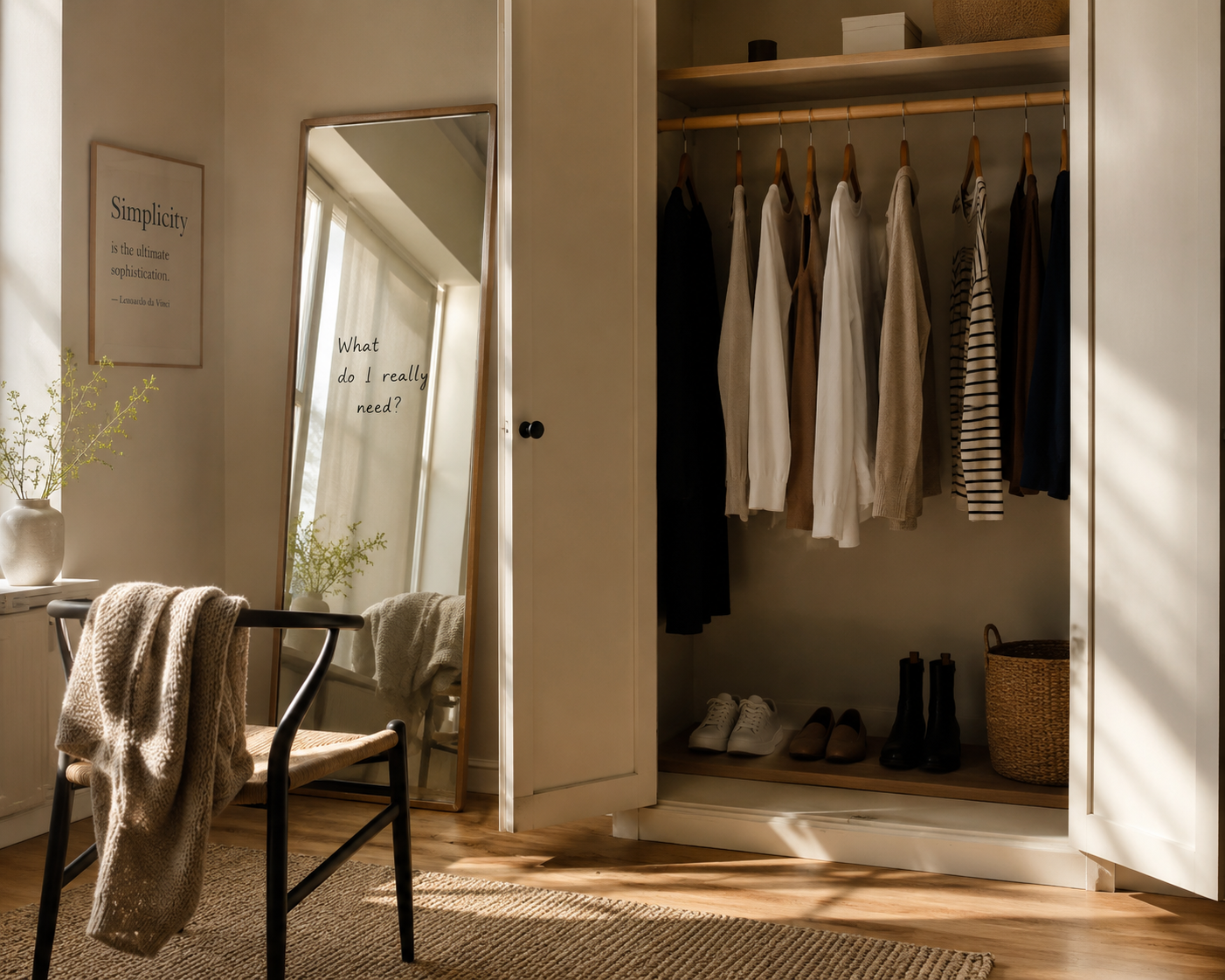
Picture this: you’re standing in front of a closet bursting with clothes, and yet, you feel like you have absolutely nothing to wear. It’s a frustratingly familiar scene for many of us — but have you ever wondered why it happens? The problem isn’t just about what’s in your closet; it’s also about what’s happening in your head.
This lingering feeling of wardrobe dissatisfaction isn’t random. It’s rooted in psychology — from decision fatigue to how we internalize trends and self-image. By understanding the reasons behind this mindset, we can learn to break free from it, and reclaim both our style and sanity without splurging on another shopping spree.
1. Decision Fatigue: Too Many Options, Too Little Clarity
Our closets often contain more clothes than we actually need, but the paradox of choice can make us feel even more stuck. Faced with an overwhelming number of options, our brains shut down, making it harder to settle on any decision. The act of picking an outfit starts to feel like an exhausting chore instead of creative expression.
Have you ever noticed that you end up rotating through the same handful of outfits, even though you own so much more? That’s your brain’s way of coping — it seeks out what’s familiar and easy. But that rotation can start to feel stale, triggering the dreaded “nothing-to-wear” syndrome.
Fix it: Instead of letting decision fatigue take over, curate your closet thoughtfully. Spend a Saturday editing your wardrobe to prioritize wearable favorites that genuinely bring you joy. When you open your closet and see fewer but better options, dressing up feels less overwhelming — and more exciting.
2. Style VS Trend: The Instagram Trap
Style is personal; trends are fleeting. But in the age of social media, these lines often blur. Algorithms flood us with perfectly curated outfits, making it impossible not to compare ourselves to others — even when we don’t realize we’re doing it. Suddenly, our clothes feel outdated, and we blame our wardrobes for failing to “keep up.”
However, here’s the truth: most influencers and brands promote aspirational (and often unattainable) looks to entice consumers. The cycle is designed to make you feel lacking, so you’ll click “add to cart.” But it’s hardly ever about how you actually show up in your real, everyday life.
Fix it: Flip the narrative. Start honoring what your personal style brings to the table — not someone else’s viral outfit post. That doesn’t mean avoiding trends altogether, but rather cherry-picking ideas that genuinely resonate with your aesthetic. When you wear what feels authentic, trends start to matter less, and confidence shines through.
3. Self-Image: Dressing for How You Feel, Not Just How You Look
Here’s the thing no one often talks about: sometimes, “nothing to wear” is less about the clothes and more about your mood. Maybe you don’t feel like yourself today. Maybe you’ve been staring at your reflection and focusing too much on what’s “wrong.” Clothes carry emotional weight — they’re how we present ourselves to the world, but they also respond to how we feel within.
This disconnect between self-image and our wardrobe magnifies that uncomfortable “nothing-to-wear” feeling. When we’re caught in moments of low confidence, no outfit feels like enough, no matter how fabulous it is.
Fix it: Treat your wardrobe as a tool for self-compassion. Start identifying outfits that make you feel strong, calm, or like “you” on hard days. Rather than aiming for perfection or “looking trendy,” focus on finding pieces that elevate your mood. Style isn’t just about aesthetics — it’s about how it moves through your mind and heart.
4. The Myth of More: Why Shopping Doesn’t Solve It
Raise your hand if you’ve ever tried to cure “nothing to wear” by going shopping. We all fall into this trap at some point — convincing ourselves that just one more outfit will finally fix our stagnant wardrobe. But ironically, adding more clothes often deepens the problem. Why? Because quantity doesn’t replace clarity.
Impulse shopping tends to pile up mismatched purchases or fleeting trends that don’t align with your core style. Instead of filling the gaps in your wardrobe, these pieces create clutter. Ultimately, the mental burden grows bigger, and the cycle starts all over again.
Fix it: Before buying anything new, take stock of your wardrobe. What do you actually need to feel complete? Look for versatile staples or pieces that pair well with what you already own. When you shop thoughtfully, you reduce waste, save money, and finally focus on loving your closet instead of fixing it.
Conclusion: Dress with Intention, Not Pressure
The “nothing to wear” feeling is rarely about your wardrobe itself — it’s a mix of psychology, consumer culture, and self-perception. But here’s the good news: breaking free doesn’t mean spending more or chasing trends. It means slowing down, reflecting, and dressing with intention.
Your best wardrobe is already within reach. Every piece you own has the potential to tell a story about you — a story that’s stylish, authentic, and true to your life. Ultimately, style is less about what’s new and more about how you show up for yourself each day. So, the next time you feel like there’s nothing to wear, ask yourself — are you really out of options? Or are you just overdue for a little intention and clarity?