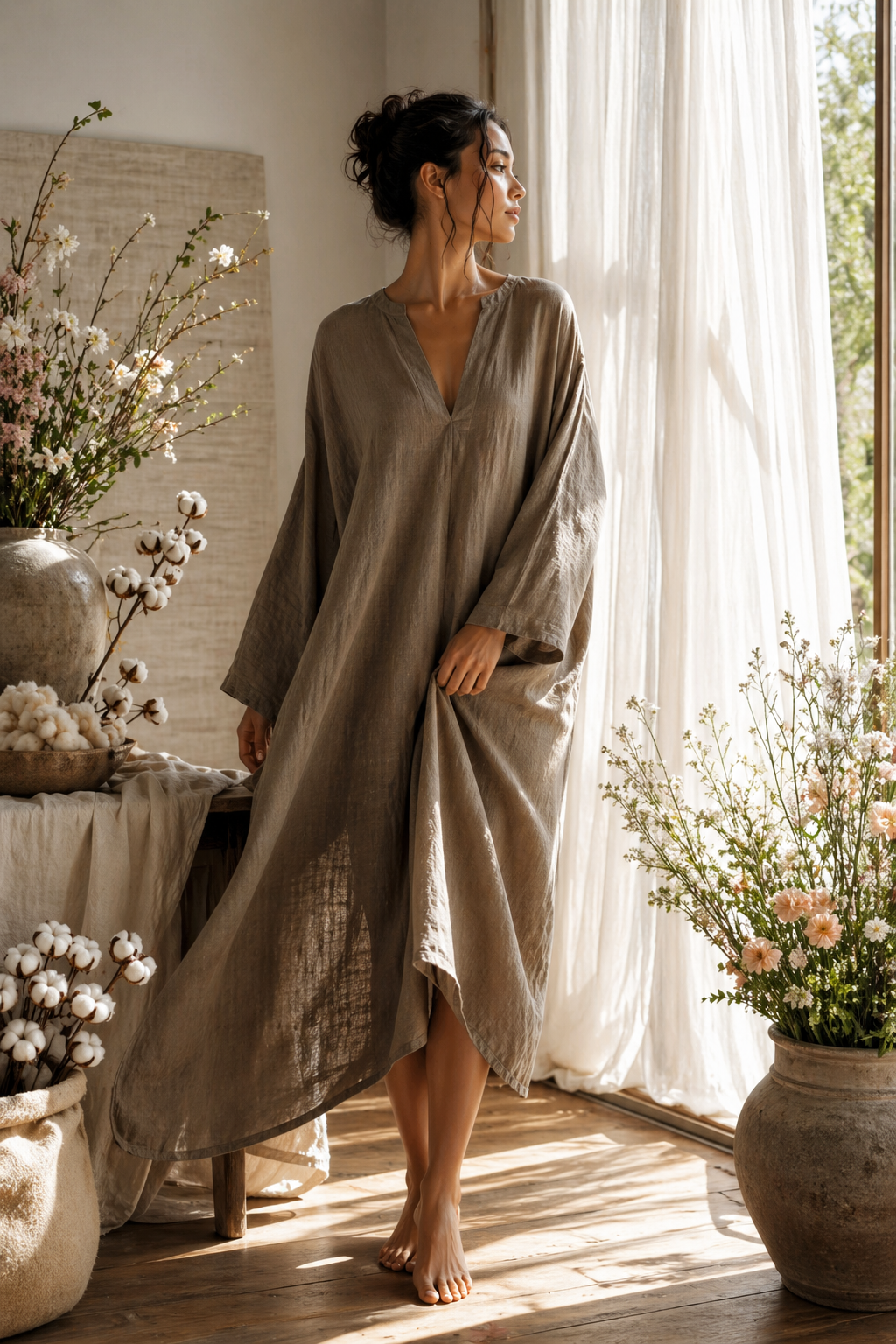
Imagine this: you're standing in front of your closet, debating what to wear. You pull out a flimsy knit sweater that looked great a month ago but now feels pilled and shapeless. Then your hand brushes across that buttery-soft linen shirt you've had for years. Its texture is effortlessly chic, and it still fits like it was made for you. Why does one feel disposable while the other feels timeless? The answer lies in the fabric itself.
Natural fabrics aren't just a luxury — they're a smart, lasting investment. Whether it's the crisp, breathable elegance of cotton, the cozy strength of wool, or the airy charm of linen, these fabrics elevate your wardrobe in ways synthetics simply can't. Let's dive into why natural fabrics not only look better but also stand the test of time.
1. Effortless Elegance: The Undeniable Appeal of Natural Textures
There's something about natural fabrics that just look right. Think of the subtle, nubby texture of linen or the smooth drape of silk — these imperfections aren't flaws; they're proof that the material is alive. Synthetic fabrics often try to mimic this aesthetic but fail to capture the richness. A polyester dress might look glossy, but it often feels oddly flat and lifeless next to its cotton or wool counterpart.
Natural fabrics also age gracefully. Over time, they develop character, like the soft fade of your favorite denim jacket or the slightly rumpled charm of a well-loved linen blouse. Synthetics, on the other hand, tend to deteriorate rather than evolve. That polyester top? It rarely tells a story beyond frequent washes and the odd snag.
2. Durability You Can Feel — and Wear for Years
Let's talk longevity. High-quality natural fabrics are built to last. Cotton and linen fibers are strong yet flexible, which makes them less prone to tearing or stretching out of shape. Wool, with its natural crimp, resists wrinkling and keeps you warm without the bulk — perfect for everything from cozy sweaters to tailored coats.
Synthetic fabrics often prioritize affordability, but that comes at the cost of durability. Fast fashion pieces, often made of polyester blends, lose their shape after a season or two. That's why there's that heartbreaking moment when you realize your synthetic shirt, initially pristine, now looks like something you'd reserve for cleaning day.
A simple tip: caring for natural fabrics isn't complicated, but it does require mindfulness. Wash linen and wool in cold water. Air-dry your cotton garments rather than tossing them in the dryer if you can. These simple steps keep your wardrobe alive longer — and your outfits looking intentional.
3. Natural Fabrics Are Kind to Your Skin (and the Planet)
The feel of natural textiles against your skin is incomparable. Cotton's softness, linen's breathability, wool's gentle warmth — these sensations elevate everyday dressing into something quietly luxurious. And unlike synthetics, natural fabrics don't trap heat or feel clammy during the summer months. They move with you, adapting to your body and outside temperature.
It's not just about comfort — it's about health. Synthetic fabrics are often treated with harsh chemicals during production, chemicals that can irritate your skin or even trigger allergies. Natural fibers, especially organic ones, steer clear of these toxins. They're better for your body — and better for the planet.
Speaking of the planet, here's the brutally honest truth: synthetic fabrics don't biodegrade. Polyester and nylon stick around in landfills forever. By choosing natural options, you're reducing your environmental footprint. Linen, cotton, silk, wool — these materials decompose and return to the earth when their time is up. It's style that doesn't come at the expense of sustainability.
4. A Worthwhile Investment: Cost vs. Value
Let's address the elephant in the room: natural fabrics often cost more upfront. A 100% wool coat or a linen shirt isn't going to compete with a synthetic blend on price. But here's what you gain — timeless quality.
Investing in natural fabrics eliminates the need for constant replacement. That $30 polyester dress might fall apart after a handful of washes, forcing you back into the shopping cycle. Compare that to a $120 cotton dress that looks impeccable years down the line. You end up spending less — and wasting less — in the long run.
Remember, style isn't just about what you wear today; it's about building a wardrobe that reflects who you are over time. Natural fabrics make it easier to curate pieces you love, pieces that grow with you instead of disintegrating at the first sign of wear.
Conclusion: Choose Fabrics That Tell Stories, Not Trends
Standing in front of your closet, you want options that make you feel good — not just today, but next season, next year, and beyond. Natural fabrics offer that sense of permanence and pride. They're not fleeting trends; they're the foundation of a wardrobe that's functional, beautiful, and meaningful.
Next time you shop, run your hand over the fabric. Ask yourself: How does it feel? Can you see it aging gracefully? Does it align with how you want to dress — mindfully, sustainably, stylishly? If the answer is yes, then congratulations: you're investing in more than an outfit. You're investing in a wardrobe that loves you back.