HangRr Blog · April 2026
Cost Per Wear:
The Only Metric
That Matters
We're trained to focus on price tags instead of the one number that actually tells you whether a piece of clothing is worth owning.
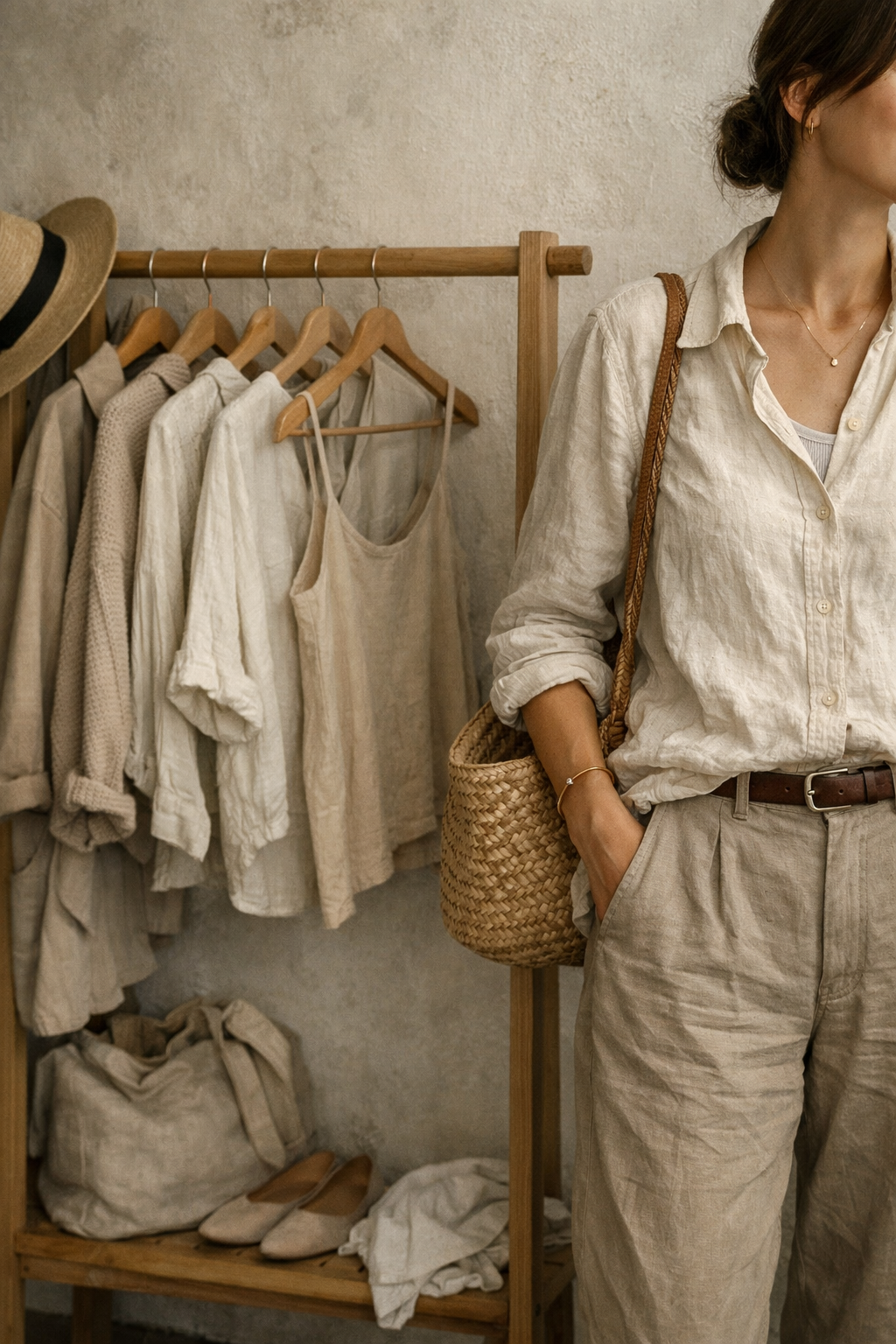
We're trained to focus on price tags instead of the one number that actually tells you whether a piece of clothing is worth owning.
You've been there. Standing in front of the mirror, holding that overpriced jacket you've only worn twice, questioning your life decisions. Or maybe you're scrolling through your closet, wondering why that $70 blouse felt like a steal, but you haven't touched it in six months.
The truth is, we rarely consider real value when buying clothes. We're trained to focus on price tags instead of the one metric that actually matters: cost per wear.
Cost per wear flips the script. It's not about how much you spend — it's about how much you use. This simple equation holds the key to smarter shopping, better wardrobes, and — dare I say — less existential dread in front of your closet.
Put simply: cost per wear (CPW) is the total amount you spend divided by the number of times you wear the item. The lower the number, the more value you're getting.
The beauty of cost per wear is that it strips fashion down to its most vital question: are you actually using what you buy?
"Cheap isn't always a bargain. The $9 impulse tee isn't saving you money if you replace it three times a year."
Shanya Tsai, Founder & CEO of HangRrLet's get one thing straight — cheap isn't always a bargain. We've all fallen for the $9 impulse tee or the $25 discount coat that seemed like a win at checkout. But low price tags often come with hidden costs: poor quality, bad fit, or designs that don't age well.
Cheap clothes, especially fast fashion, rarely hold up. They pill after a few washes or lose their shape within months. Suddenly, you're back at the store, buying something similar — again. That cycle isn't cheap. It's expensive.
Think of your wardrobe as an investment. High-quality items made of natural, durable fabrics may cost more upfront, but their longevity pays off. Fewer replacements mean lower lifetime spending — and fewer headaches.
How do you spot pieces that give you a low cost per wear? The secret lies in fabric, craftsmanship, and versatility.
Natural fabrics like linen, wool, cotton, and silk are built to last. They age gracefully, hold their structure, and often feel better over time. A wool sweater at $150 will keep you warm for years — whereas a cheaper synthetic one may lose its insulating power after one winter.
Avoid blends with high percentages of polyester, acrylic, or nylon pretending to feel "luxurious." These synthetic materials are more likely to pill, fade, and wear out fast.
The most valuable items in your closet are the ones with range. That tailored blazer you can wear to work, toss over a t-shirt, or pair with evening heels? Versatility drives frequency, and frequency is everything for lowering cost per wear.
When you're shopping, take an extra moment to daydream: how many outfits could this piece work with? How many occasions? If you can imagine a dozen combinations across multiple seasons, you've found a keeper.
Cost per wear is a mindset, not just a math trick. It urges you to think big picture, to value quality, and ultimately, to shop more intentionally.
Shifting to a cost-per-wear perspective is like hitting the refresh button on your relationship with clothing. You'll buy less, but better. You'll gradually build a wardrobe that actually reflects your life and your values. And you'll stop falling for the cheap thrill of disposable trends.
For me, it's been liberating. I've let go of the guilt of splurging on a $250 wool coat, knowing I'll wear it for years. I've stopped wasting money on impulse buys that disintegrate in the wash. I've learned to love the clothes I already own — because they've earned their place in my life.
Let's face it: fashion should be more than fleeting. When you focus on cost per wear, every item in your wardrobe becomes meaningful, useful, and personal. Isn't that the kind of relationship we should have with our clothes?
HangRr logs every outfit, tracks how often you wear each piece, and shows you exactly which items are earning their keep — and which ones aren't.